Existing slabs
Older slabs may contain glue, coatings, patching, cracks, moisture issues or uneven aggregate. These details affect the grinding process and the final appearance.
Polished concrete floors planned around slab condition, grinding depth, aggregate exposure, moisture behaviour and realistic finish expectations.
Polished concrete is not a surface that gets covered up. It is the slab being revealed, refined and finished. That means the condition of the concrete matters before any finish is promised.
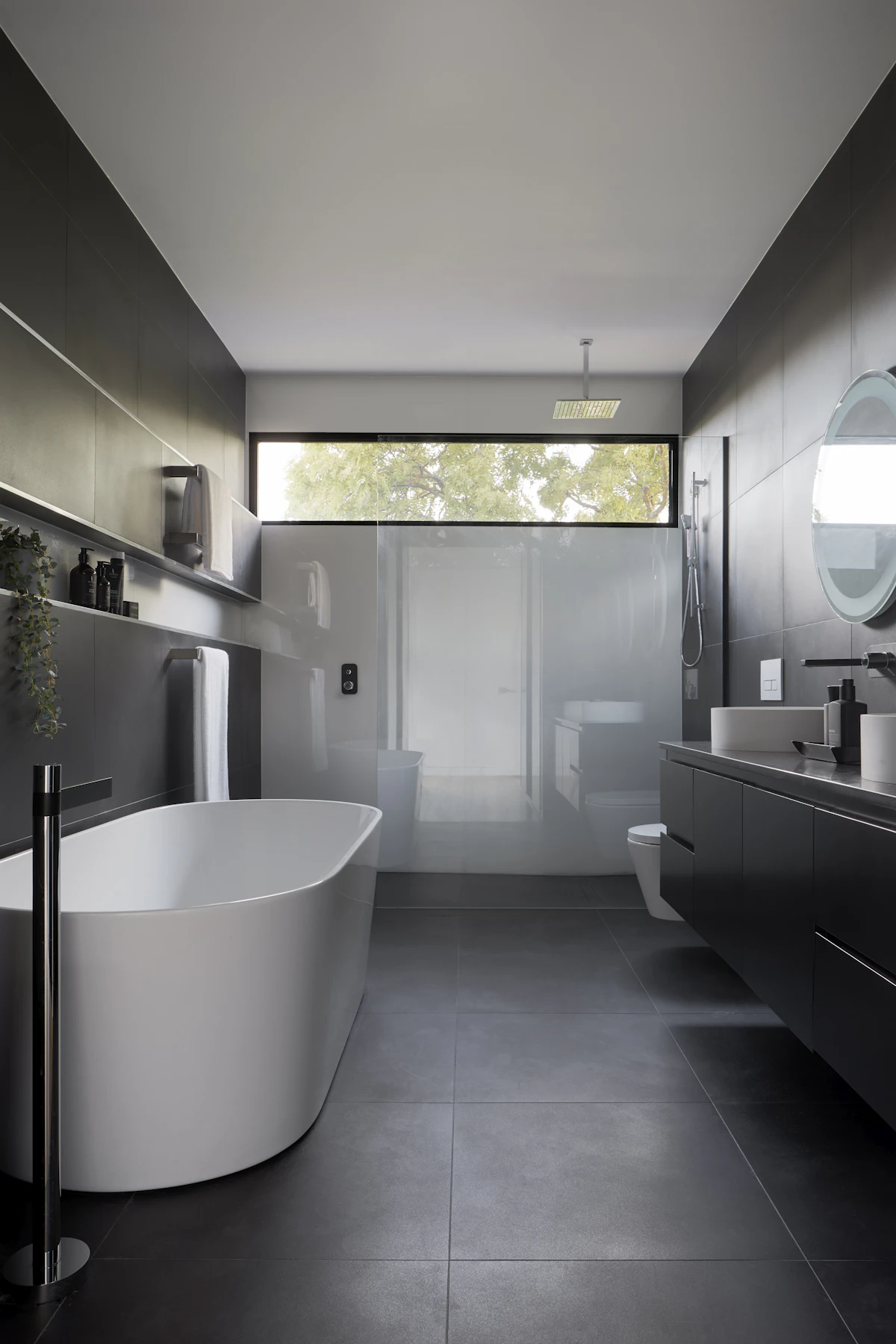
Most people looking for polished concrete in Brisbane want to know what the floor will cost, how it will look, and whether their existing slab can be used. Those are fair questions, but the answer usually starts with the concrete itself.
This page sits under the Brisbane concrete services hub and connects with the national polished concrete service page. The national page explains the broader service. This Brisbane page focuses on slab condition, moisture, grinding, exposure and finish expectations in local conditions.
A good polished concrete result is shaped before the final gloss appears. Cracks, old coatings, glue, patching, moisture and aggregate distribution can all change the outcome.
Polished concrete is different from tiles, carpet or vinyl because the existing concrete becomes the finished surface. Grinding reveals what is already in the slab. That can include attractive aggregate, but it can also reveal repairs, colour variation, old cuts, cracks or inconsistent stone distribution.
That is why a realistic polished concrete quote should not promise a perfect showroom result before the slab has been assessed. The best finish is often the one that suits the actual slab, not the one that looks best in a photo.
Older slabs may contain glue, coatings, patching, cracks, moisture issues or uneven aggregate. These details affect the grinding process and the final appearance.
New concrete can be planned with polishing in mind. Placement, finishing, protection from other trades and concrete quality all influence the final result.
The finish should be discussed honestly. Polishing improves and refines concrete, but it does not make every slab look identical.
Brisbane’s humidity and rainfall can change how concrete floors are assessed, especially on ground-level slabs, garages and covered outdoor areas. Moisture does not automatically rule out polished concrete, but it can affect preparation, timing and finish selection.
Moisture in or below the slab may influence sealer choice, curing behaviour, surface preparation and whether grind and seal or mechanical polishing is the better path. A slab that looks dry on the surface may still need closer attention if its history is unknown.
This is where polished concrete connects closely with concrete slabs in Brisbane. The slab is not just a base. It is the finished surface, so the condition of the concrete matters from the beginning.
A grind and seal finish involves grinding the concrete to the desired exposure, then applying a sealer system. It can provide a strong visual result and is often considered for homes, garages, retail spaces and covered areas where appearance and practicality both matter.
Mechanical polishing is a more involved process where the concrete is progressively ground and refined. Densifier is typically used, and the finish comes more from the concrete surface itself rather than relying mainly on a coating.
Neither option is automatically better for every slab. The right path depends on slab condition, moisture, intended use, maintenance expectations and the level of finish being targeted. For a broader comparison of finished floor choices, see our guide on polished concrete vs tiles.
The amount of grinding changes how much aggregate appears in the finished floor. Deeper grinding can create a stronger visual effect, but it can also reveal more variation in the slab.

Minimal grinding keeps more of the original surface. This finish depends heavily on how well the slab was placed and finished.

Light grinding exposes smaller aggregate and fine stone. This is often a balanced option when the slab is suitable.

Deeper grinding exposes larger stone. It can look striking, but it may reveal more patching, variation or uneven aggregate distribution.
Polished concrete pricing depends on the floor, not just the square metre rate. A clean new slab with simple access is very different from an older floor with glue, paint, tile adhesive, cracks, uneven sections and edge work.
Cost is usually shaped by floor size, slab condition, grinding depth, exposure level, finish type, repairs, coating removal, access, moisture concerns and the level of detail required around edges or tight spaces.
For broader concrete pricing context, see our concrete cost per m² Australia guide. For the full national service category, visit our polished concrete service page.
The finish matters, but preparation often moves the price more than people expect. Removing old coatings, repairing cracks and grinding deeper for aggregate exposure all add work.
Existing slabs need realistic assessment. Previous floor coverings, old adhesive, paint, moisture, cracks, saw cuts and repair material can all influence the polished result. Some marks can be improved. Some remain part of the floor’s character.
New slabs give more control, but only if polishing is planned early. Concrete placement, finishing, protection from site damage and avoiding contamination all matter. A slab poured without polishing in mind may still be usable, but expectations need to be adjusted.
If you are planning a new concrete surface that may later be polished, the related concrete slabs Brisbane page is the natural next step.
Concrete repairs before polishing need an honest conversation. Cracks, chips, holes and patching can often be improved, but the repair material may not polish exactly like the original concrete. The goal is a stable, prepared surface, not pretending the slab never had damage.
If sections need cutting, separation or removal before polishing, the work may connect with concrete cutting. If the slab has cracks, damaged edges or surface defects, it may connect with concrete repairs.
Polished concrete is commonly considered for internal living areas, kitchens, retail spaces, offices, showrooms, garages and renovated ground-floor slabs. Covered outdoor spaces may also be possible, but they need careful assessment because moisture, slip resistance and exposure can change the finish decision.
The strongest results usually come from matching the finish to the slab and the way the space will be used. A garage floor, shop floor and internal living area do not need the same surface system.
Polished concrete is durable, but it is not maintenance-free. Cleaning methods, grit, wet shoes, outdoor dirt, furniture movement and sealer wear can all affect the surface over time. Entry mats, regular sweeping and suitable cleaning products help protect the finish.
Grind and seal finishes may need resealing depending on use and exposure. Mechanical polished surfaces also need sensible care. The important point is to choose the finish with maintenance expectations in mind, rather than focusing only on appearance at handover.
For broader durability context, see our guide on how long concrete lasts.
Polished concrete often connects with slab preparation, concrete repairs and surface refinement. If the slab is new, the work connects closely with concrete slabs Brisbane. If the project is outside and needs vehicle access, fall and drainage, concrete driveways Brisbane is the stronger service path.
Decorative stone exposure also relates to exposed aggregate concrete, although exposed aggregate driveways and polished aggregate floors are not the same system. For broader Brisbane coverage, return to the Brisbane concrete services hub.
The process starts with the slab. Existing coatings, cracks, moisture, hardness, flatness, aggregate exposure and access are considered before the finish is selected. From there, the surface is prepared, ground to the agreed exposure, repaired where needed, refined and sealed or polished according to the chosen system.
The process is practical because polished concrete depends on controlled steps. Skipping assessment, rushing preparation or promising a finish the slab cannot deliver usually leads to disappointment later.
Core Concrete Group provides polished concrete services across Brisbane and surrounding areas, including inner Brisbane, North Brisbane, South Brisbane, bayside suburbs and nearby growth corridors. For the broader city service structure, visit the Brisbane concreters page.
The difference is usually honesty before grinding starts. The slab needs to be assessed properly. The exposure level needs to suit the concrete. Repairs need realistic expectations. Moisture and use of the area need to be considered. The finish should be selected because it fits the slab, not because it sounds better in a sales conversation.
Core Concrete Group keeps the site focused on concrete work. Polished concrete connects with slabs, repairs, cutting, exposed aggregate, driveways and long-term concrete durability. That gives the page a clearer role inside a concrete-specialist ecosystem rather than treating polished concrete as a generic flooring upgrade.
Polished concrete pricing in Brisbane depends on slab condition, floor size, grinding depth, aggregate exposure, coating removal, repairs, access, edge work and whether the job is grind and seal or mechanical polishing.
Not every slab will produce the same polished result. Cracks, previous coatings, glue, patching, moisture, uneven aggregate and slab flatness can all affect what finish is realistic.
Grind and seal uses grinding followed by a sealer system. Mechanical polishing progressively refines the concrete surface itself and usually uses densifier. The right option depends on the slab, use of the area and finish expectations.
Slab moisture can affect preparation, timing and sealer selection. In Brisbane, ground-level slabs, garages and covered outdoor areas may need closer attention before the finish is chosen.
Cracks and repairs may still be visible after polishing because polished concrete reveals the slab rather than hiding it. Repairs can improve the surface, but they do not always disappear completely.
The right exposure level depends on the slab and the look you want. Cream finishes are lighter, salt and pepper exposes fine aggregate, and full aggregate creates a stronger stone appearance but may reveal more slab variation.
Polished concrete or grind and seal finishes can suit some garage floors, but the slab condition, moisture, vehicle use, slip resistance and maintenance expectations need to be considered first.
Old coatings, glue and tile adhesive can often be removed through preparation and grinding, but they may increase the work required and can sometimes leave marks or influence the final appearance.
Grind and seal systems rely on a sealer. Mechanical polished concrete may use densifiers and protectors depending on the system. The correct surface protection depends on the finish type and how the area will be used.
If you are considering polished concrete, the useful next step is a quote based on the actual slab. That means looking at surface condition, repairs, moisture, grinding depth, exposure level and the finish system that suits the space.