Existing coatings
Paint, adhesives and old floor coverings usually need removal before polishing can begin properly.
Polished concrete floors planned around slab condition, grinding depth, aggregate exposure, surface wear and realistic finish expectations.
Polished concrete exposes and refines the slab underneath. That means the existing concrete matters before any finish recommendation is made. Cracks, patching, surface wear, aggregate variation and older repairs all influence the final result.
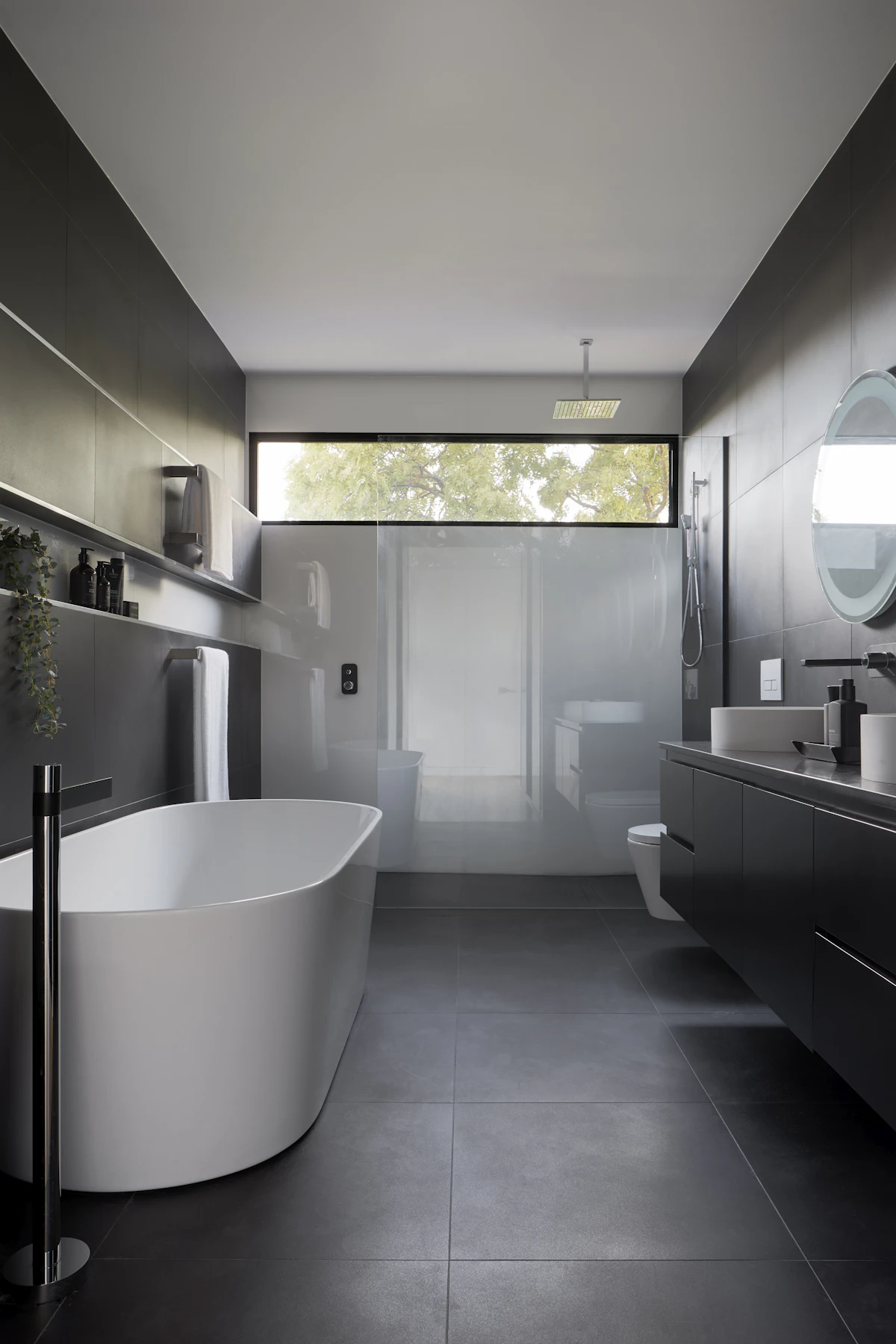
Polished concrete is commonly used in Perth homes, garages, commercial spaces and renovation projects because it provides a durable surface with a clean concrete appearance. The finish can range from subtle cream polishing through to deeper aggregate exposure depending on the slab and the level of grinding.
This page sits under the Perth concrete services hub and connects with the broader national polished concrete service page. The national page explains the wider service category. This Perth page focuses more specifically on slab condition, surface wear, exposure levels and realistic finish expectations in local conditions.
Polished concrete differs from other floor finishes because the slab itself becomes the finished surface. Grinding does not erase the slab underneath. It exposes it more clearly.
The slab decides the finish long before the polishing starts. Existing concrete can contain cracks, patching, old coatings, saw cuts, tile glue, garage stains or uneven aggregate distribution. Some of these features become more noticeable during grinding rather than disappearing.
Older slabs often carry visible history. Previous repairs, wear patterns and surface inconsistencies may remain part of the finished floor even after polishing. That does not mean the slab cannot be improved. It means expectations should be based on the actual concrete rather than showroom photos from completely different projects.
Paint, adhesives and old floor coverings usually need removal before polishing can begin properly.
Stone distribution changes across slabs. Deeper grinding often reveals more variation.
Repairs can improve the slab significantly, but they rarely disappear completely after polishing.
Perth conditions affect polished concrete differently from more humid cities. Dry environments, dust, strong sunlight and garage exposure patterns all influence how concrete surfaces wear and how finishes appear over time.
Bright Perth sunlight often makes aggregate variation, repairs and exposure differences more visible than they first appeared indoors. A slab that looks uniform under softer lighting may reveal more texture and variation once natural light hits the floor directly.
Outdoor and semi-outdoor areas also need realistic assessment. Covered alfresco areas behave differently from fully exposed surfaces. Heat, slip resistance, UV exposure and weather conditions all influence whether polished concrete is suitable for a particular outdoor space.
Grind and seal involves grinding the slab before applying a protective sealer system. It is commonly used in homes, garage floors and renovation projects because it provides a practical finish with visual flexibility.
Mechanical polishing uses progressively finer grinding stages and densifiers to refine the slab itself. The finish relies less on surface coating and more on the concrete surface being mechanically polished into the final result.
Neither option is automatically better for every project. The slab condition, intended use, maintenance expectations and desired finish all influence the right choice. For broader floor comparison context, see our guide on polished concrete vs tiles.
Exposure level changes the appearance of polished concrete significantly because deeper grinding reveals more aggregate and more slab variation.

Minimal grinding keeps more of the original surface. This usually requires a very clean slab with consistent finishing quality.

Salt and pepper exposure is often chosen because it balances visual texture with more realistic slab consistency across many Perth floors.

Deeper grinding creates a stronger aggregate appearance but also reveals more slab inconsistencies, repairs and variation.
Polished concrete pricing depends heavily on slab condition and preparation. A clean new slab with easy access is very different from an older floor with glue removal, crack repairs, deep grinding requirements or heavy edge work.
The main cost factors are slab condition, coating removal, patching, grinding depth, exposure level, finish type, edge detailing, access, garage conversions and whether the project uses grind and seal or mechanical polishing.
For broader pricing context, see our concrete cost per m² Australia guide or visit the national polished concrete service page.
The grinding process itself is only part of the job. Old coatings, crack repairs, glue removal and difficult slab conditions often create most of the preparation work.
Concrete repairs before polishing often involve cracks, chips, patching and localised slab inconsistencies. Repairs can improve stability and appearance significantly, but polished concrete rarely hides them completely because the slab remains visible after grinding.
This is one reason polished concrete should be discussed honestly before work begins. The goal is a realistic and durable finish, not pretending the slab never had previous wear or damage.
Projects involving damaged sections or slab separation may connect with concrete cutting and concrete repairs.
Garages are one of the most common polished concrete applications in Perth because many existing slabs already provide a suitable concrete base for grinding and sealing.
Older garage slabs often contain tyre marks, oil staining, patching and wear patterns from years of use. Bright sunlight near garage openings can also highlight exposure differences more clearly after grinding.
Grind and seal systems are commonly considered for garage spaces because they provide a practical finish with manageable maintenance expectations. The slab still needs proper assessment before the finish is chosen.
New slabs provide more control because polishing can be planned early. Aggregate consistency, surface finishing and slab protection during construction can all be managed with the future polished finish in mind.
Older slabs often carry more visible history. Previous repairs, movement, patching, coatings and wear become part of the floor once grinding begins. That does not make older slabs unsuitable. It simply means the finish should be chosen realistically around the concrete that already exists.
If a slab is being planned specifically for future polishing, the related concrete slabs Perth page continues that preparation-focused approach.

Polished concrete connects closely with slab preparation, repairs, concrete cutting and surface durability. The slab underneath determines the finish, which means polishing naturally overlaps with broader concrete preparation work.
Decorative concrete exposure also connects with exposed aggregate concrete, although exposed aggregate driveways and polished aggregate floors are different systems with different preparation and finishing methods.
Outdoor vehicle areas connect more naturally with concrete driveways Perth, while garage and structural slab preparation connects with concrete slabs Perth.
Core Concrete Group provides polished concrete services across Perth and surrounding areas, including inner Perth, northern suburbs, southern suburbs, coastal suburbs and nearby growth corridors. For broader city coverage and related concrete services, visit the Perth concrete services hub.
The strongest polished concrete results usually come from realistic slab assessment before grinding begins. The exposure level needs to suit the slab. Repairs need honest expectations. Surface wear, patching and aggregate variation all need to be considered before promising a finish.
Core Concrete Group keeps the site focused entirely on concrete systems. Polished concrete connects with slabs, exposed aggregate, repairs, driveways and long-term durability. That creates a clearer expertise structure than generic renovation or flooring websites.
For broader durability context, see our guide on how long concrete lasts.
Polished concrete pricing depends on slab condition, coating removal, crack repairs, grinding depth, edge work, access and whether the floor is grind and seal or mechanically polished.
Many existing slabs can be polished, but the condition of the concrete affects the final result. Cracks, patching, old coatings, stains and uneven aggregate can become more visible during grinding.
Repairs can improve the slab significantly, but polished concrete rarely hides cracks and patching completely because the process reveals the slab rather than covering it.
Grind and seal involves grinding the concrete surface before applying a protective sealer system. It is commonly used in homes, garages and renovation projects.
Mechanical polishing progressively refines the concrete surface using grinding and densifying stages to create the finish directly within the slab.
Yes. Garages are common polishing candidates, although tyre marks, oil staining and existing wear patterns should be assessed before choosing the finish system.
The best exposure level depends on the slab and the finish expectations. Salt and pepper exposure is commonly chosen because it balances texture with more consistent slab appearance.
Concrete surfaces can absorb heat in exposed areas. Interior polished concrete behaves differently from outdoor or sun-exposed concrete surfaces.
Some covered outdoor areas may suit polished concrete systems, but fully exposed areas need careful assessment around slip resistance, heat, weather and maintenance.
Polished concrete is durable when the slab underneath is sound and the finish is suited to the intended use. Maintenance and realistic finish selection still matter over time.
If you are considering polished concrete for a home, garage or commercial space, the useful next step is assessing the slab itself. That means looking at repairs, surface wear, grinding depth, exposure level and the polishing system that suits the floor realistically.