
New concrete driveways
For new homes, frontage upgrades, knockdown rebuilds and properties where drainage and levels need to be planned from the beginning.
Concrete driveway installation and replacement across Melbourne, planned around drainage, site movement, slope, existing concrete and long-term durability.
If the driveway holds water after rain, connects awkwardly to the garage, or sits on unstable ground, those issues need to be understood before the finish is chosen.

Melbourne driveway projects often involve more than choosing a concrete finish. Water runoff, driveway slope, garage levels, old concrete, shaded areas and ground movement can all affect how the driveway should be planned.
This page connects with the broader concrete driveway service page and the local Melbourne concrete services page. The national page explains driveway work generally. This page focuses on what changes when the project is in Melbourne.
A driveway can look clean immediately after installation but still develop problems later if water pools near edges, the slope is awkward, or the base underneath shifts over time.
Melbourne weather places more pressure on drainage and movement planning than many people expect. A driveway that sends water toward the garage or traps runoff near low points may gradually develop cracking, uneven sections or edge movement.
Melbourne driveway work can range from a straightforward new pour to a more complex replacement where drainage, movement and existing concrete need to be addressed first.
For new homes, frontage upgrades, knockdown rebuilds and properties where drainage and levels need to be planned from the beginning.

For cracked, uneven or poorly draining driveways where removal may reveal weak base material, movement or water issues underneath.
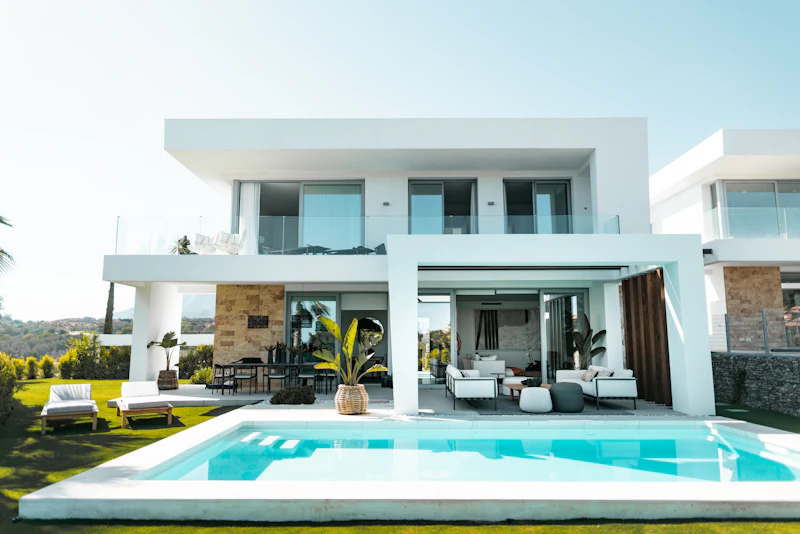
For widened access, extra parking, exposed aggregate finishes, coloured concrete or improved crossover transitions.
Melbourne driveways often need more attention to runoff and movement. Water should leave the driveway cleanly without collecting near the garage, slab edges or low points. If the drainage is wrong, the surrounding support underneath the driveway can gradually weaken over time.
Slope transitions also matter. A driveway may technically drain correctly but still feel awkward to use if vehicles scrape during entry or the turning space is too tight. Expansion joints, reinforcement and edge support all help the driveway handle long-term movement more effectively.
The driveway finish matters, but it should be chosen after the practical site requirements are understood.
Plain concrete often suits practical access areas, side driveways, rear laneways and properties where function matters more than decorative detail. It still needs proper drainage and preparation underneath it.
Exposed aggregate concrete is often chosen for visible Melbourne frontages because the texture helps with grip during wet weather while also softening the appearance of large concrete areas. Coloured concrete can help tie the driveway into surrounding brickwork, render or landscaping materials.
Melbourne driveway pricing can change significantly depending on slope, drainage correction, old concrete removal, excavation, restricted access, pumping requirements, reinforcement and finish selection.
For wider pricing context, read the concrete driveway cost guide. If you are comparing concrete pricing more broadly, the concrete cost per m² guide is also useful.
Many Melbourne driveway projects begin with cracked, uneven or poorly draining concrete that has already started moving. Replacement is usually about more than appearance. Once old concrete is removed, it can expose weak base material, inconsistent levels, poor drainage or older repairs underneath.
In some situations, resurfacing does not solve the underlying problem because the movement or drainage issue still remains below the surface. Reviewing the base, slope and runoff properly gives the new driveway a better chance of lasting.
Melbourne rainfall makes drainage a serious part of driveway planning. Water should not sit near the garage, collect near low points or push against the home. The driveway fall needs to work with the site rather than against it.
Slope also changes how the driveway feels to use. A driveway can technically drain correctly but still be uncomfortable if the transition angle causes scraping or difficult vehicle entry. Practical access matters as much as the finish itself.

Some driveway projects connect with other concrete work. A garage or shed area may point toward concrete slabs in Melbourne. A future floor finish may connect with polished concrete in Melbourne. If old concrete needs to be removed cleanly or altered around edges, concrete cutting may be relevant. Damaged concrete may also need concrete repairs assessed before replacement is confirmed.
Core Concrete Group provides concrete driveways across Melbourne and surrounding areas. Inner Melbourne can bring narrow access, older concrete and tighter site conditions. Eastern and bayside suburbs often involve visible frontages and drainage-sensitive areas. Outer growth corridors may involve new builds, wider driveways and reactive ground conditions.
The site conditions matter more than the suburb name. Access, slope, drainage, movement, existing concrete and the finish you want should guide the quote.
A Melbourne driveway project usually starts with drainage, slope and existing concrete. The site is reviewed, removal is planned if necessary, and the base is prepared before formwork and reinforcement are considered.
Expansion joints, levels and runoff are all part of the planning before the concrete is poured and finished. The curing stage matters as well. A driveway should not be treated as complete the moment the surface appears dry.
Core Concrete Group keeps the service focus on concrete work. That matters because Melbourne driveway problems are often connected to preparation, movement, drainage, slope and finish selection rather than the concrete surface alone.
This page belongs to a wider system. The main concrete driveway service page explains the service nationally. The Melbourne concrete services page explains the local service area. This page brings those two layers together for users who need driveway work in Melbourne.
Concrete driveway cost in Melbourne depends on size, access, old concrete removal, drainage correction, slope, excavation, base preparation, reinforcement and finish selection.
Yes. Old driveways can usually be removed and replaced, but the base, drainage, surrounding levels and movement issues should be assessed before the new driveway is planned.
Driveways can crack from movement, poor drainage, weak base preparation, heavy loads, poor joint placement or unstable ground underneath the concrete.
Yes. Water sitting near driveway edges or low points can gradually weaken surrounding support and increase movement risk over time.
Plain concrete suits practical access areas, while exposed aggregate is often chosen for visible frontages and better texture in wet conditions. The right finish depends on the site, slope and intended use.
Yes, but driveway gradient, runoff, garage thresholds, vehicle clearance and crossover transitions should be planned carefully before the pour.
Expansion joints help concrete handle movement and temperature changes more effectively. The placement depends on driveway size, shape and site conditions.
Curing depends on the site, weather, concrete type and intended use. A site-specific answer is best once the driveway details are known. For broader durability context, read our guide on how long concrete lasts.
If you are planning a new driveway or replacing old concrete, the next step is to get a quote based on drainage, site access, driveway levels, existing concrete and the finish you want.