
Existing residential slabs
For homes where carpet, timber, vinyl or tiles are removed and the underlying concrete slab is prepared for polishing.
Concrete floor grinding and polishing across Melbourne, planned around slab condition, moisture, aggregate exposure and realistic finish expectations.
Two concrete slabs in the same street can polish completely differently. The age of the slab, old floor coverings, moisture, patching and aggregate underneath the surface all affect the final result.
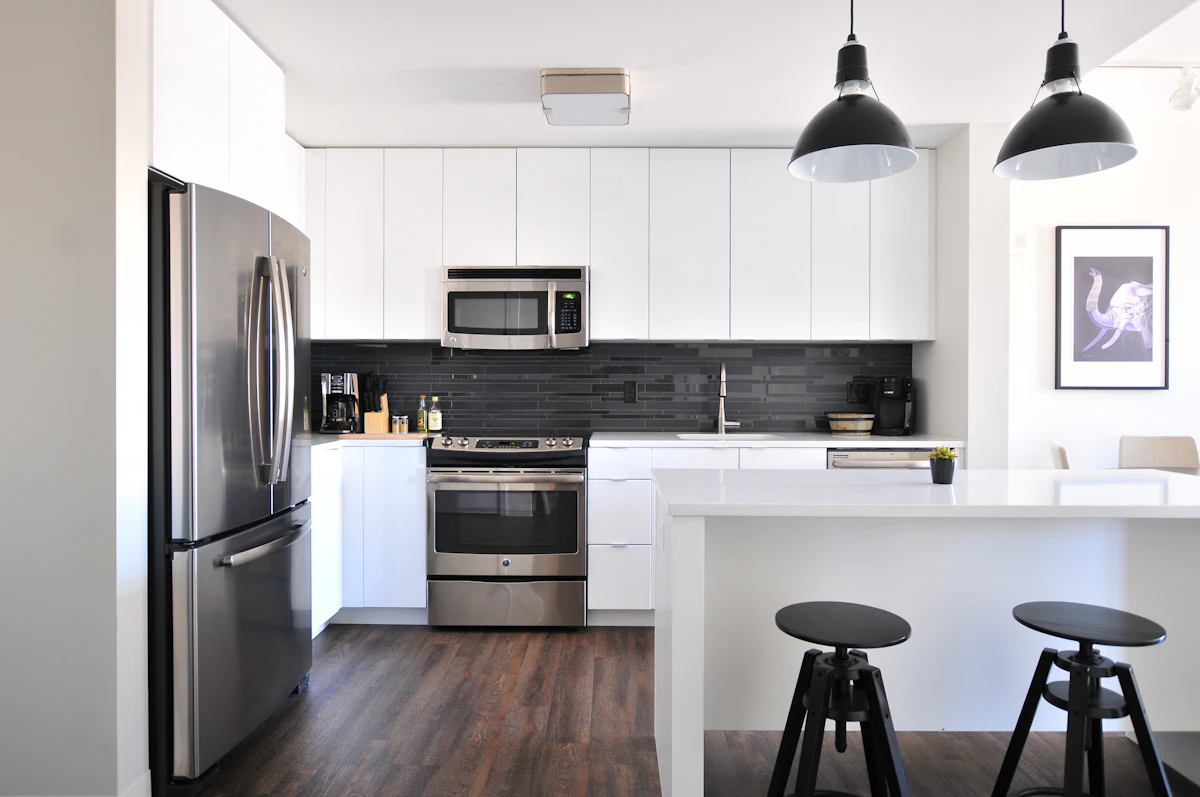
Polished concrete is different from laying tiles, timber or vinyl flooring because the slab itself becomes the finished floor. The grinding process reveals what already exists inside the concrete rather than covering it.
Cracks, previous repairs, patching, old expansion cuts, moisture and aggregate exposure can all remain partially visible after polishing. Older Melbourne slabs can also behave differently depending on how they were originally poured, finished and repaired over time.
This page connects with the broader polished concrete service page and the local Melbourne concrete services page. The national page explains the service generally. This page focuses on how slab condition changes polishing work in Melbourne.
Mechanical polishing and grind-and-seal systems create different finishes because the processes themselves are different. The right option depends on the slab, the intended use of the space and how the floor is expected to age over time.
A full mechanical polish refines the slab through multiple grinding stages and densification. The finish becomes integrated into the concrete surface itself. Grind and seal systems involve grinding followed by a topical sealer, creating a different appearance and maintenance profile.
Neither approach automatically suits every project. Some slabs respond better to one process than the other depending on the existing concrete condition and finish expectations.
Melbourne polished concrete projects range from residential renovations through to commercial floor grinding and new slab polishing.
For homes where carpet, timber, vinyl or tiles are removed and the underlying concrete slab is prepared for polishing.

For new slabs planned around aggregate exposure, crack control, finish consistency and polishing requirements from the beginning.

For showrooms, offices, retail spaces and commercial environments where durability and ongoing floor maintenance matter.
Melbourne slabs often contain old adhesive residue, tile glue, patching, moisture variation and previous repairs that only become visible once grinding starts. Aggregate exposure can also vary significantly across the same floor depending on how the slab was poured originally.
A polished concrete floor is often revealing what already exists inside the slab rather than creating a perfectly uniform new surface. Older slabs especially can contain inconsistent stone exposure, colour variation or older expansion cuts that remain visible after polishing.
Higher gloss does not automatically mean a better floor. The right finish depends on the lighting, traffic levels and how the space is actually used.
Matte and satin finishes often suit residential spaces where softer reflection is preferred. Higher-gloss floors can create stronger light reflection and visual contrast, especially in commercial spaces or areas with large windows and direct natural light.
The slab itself also affects how gloss appears. Some floors polish more evenly than others depending on aggregate consistency and previous repairs.
Polished concrete behaves differently depending on moisture, contamination, gloss level and whether the surface is indoors or outdoors. Dry internal floors behave differently from wet entry areas or exposed outdoor concrete.
Surface maintenance also matters. Dust, water, oils and cleaning products can all affect how the floor performs underfoot. Suitability should be assessed around how the space is used rather than assuming every polished floor behaves the same way.
Polished concrete pricing depends heavily on the slab itself. Existing floor coverings, adhesive removal, repairs, grind depth, aggregate exposure and access can all affect preparation time and final pricing.
Commercial floors and residential floors may also involve different polishing systems, gloss levels and durability requirements. A floor with extensive adhesive removal or repairs can take significantly longer to prepare than a clean new slab.
For broader pricing information, read the polished concrete cost guide or the wider concrete cost per m² guide.
Polished concrete does not erase the history of the slab underneath it. Shrinkage cracks, movement cracks, patch repairs and older concrete variations can remain partially visible after grinding and polishing.
Some repaired areas also polish differently from surrounding concrete because the materials absorb grinding and densification differently. Realistic expectations matter. Polished concrete is partly a finishing process and partly a reveal of the slab itself.
Grinding prepares the slab before polishing stages begin. Existing coatings, tile glue, adhesives, paint residue and uneven surface areas may need to be removed before the floor can be refined properly.
In some Melbourne properties, older floor coverings hide slab issues that only become visible during grinding. Depending on the condition of the floor, related work such as concrete grinding or concrete repairs may be needed before polishing can continue.
Some polished concrete projects connect with broader concrete work. New homes and extensions may also require concrete slabs in Melbourne. Outdoor areas may connect with concrete driveways in Melbourne. Existing slabs sometimes require concrete cutting or repair work before grinding and polishing can begin properly.
Core Concrete Group provides polished concrete services across Melbourne and surrounding areas. Inner Melbourne properties often involve older slabs, patching and previous renovations. Outer growth areas may involve newer slabs planned specifically for polishing from the beginning.
The slab condition matters more than the postcode. Moisture, repairs, aggregate exposure, floor coverings and previous preparation work usually affect polishing outcomes more than the suburb itself.
People sometimes expect polished concrete to behave like a perfectly uniform manufactured flooring product. In reality, polishing reveals and refines the slab that already exists underneath.
Aggregate exposure can vary. Old repairs may remain partially visible. Cracks and slab movement history may still appear after polishing. These variations are often part of what gives polished concrete its character, but they should still be understood before work begins.
Core Concrete Group focuses specifically on concrete work because polishing, grinding, slab preparation, repairs and crack management all connect together. A polished floor is affected by the slab underneath it, not just the final finish applied on top.
This page belongs to a broader system. The main polished concrete service page explains the service nationally. The Melbourne concrete services page explains the local service area. This page brings those layers together specifically for polished concrete projects in Melbourne.
Yes, many older Melbourne slabs can be polished, but cracks, patching, moisture, previous floor coverings and aggregate consistency should be assessed before grinding begins.
Aggregate exposure, slab age, repairs, moisture, previous adhesives, lighting and grind depth can all change how polished concrete looks once the slab is exposed.
Polished concrete can still show shrinkage cracks, movement cracks or old repairs because the polishing process reveals the slab itself rather than covering it.
Polished concrete behaves differently depending on gloss level, moisture, contaminants and whether the surface is indoors or outdoors. Suitability should be assessed around how the space is used.
Mechanical polishing refines the slab through multiple grinding stages and densification, while grind and seal uses grinding followed by a topical sealer. The appearance, maintenance and finish characteristics are different.
Polished concrete cost depends on slab condition, preparation work, adhesive removal, grind depth, aggregate exposure, repairs, gloss level and access requirements.
Yes, but cracks usually remain partially visible because polishing exposes the slab itself. Some repaired areas can also polish differently from surrounding concrete.
Yes. Existing repairs, aggregate variation, older cuts, patches and slab movement can remain visible after polishing because the process reveals the concrete underneath rather than covering it completely.
If you are planning polished concrete flooring, the slab condition should be reviewed before the finish is chosen. Preparation, moisture, aggregate exposure and repairs all affect the final floor.